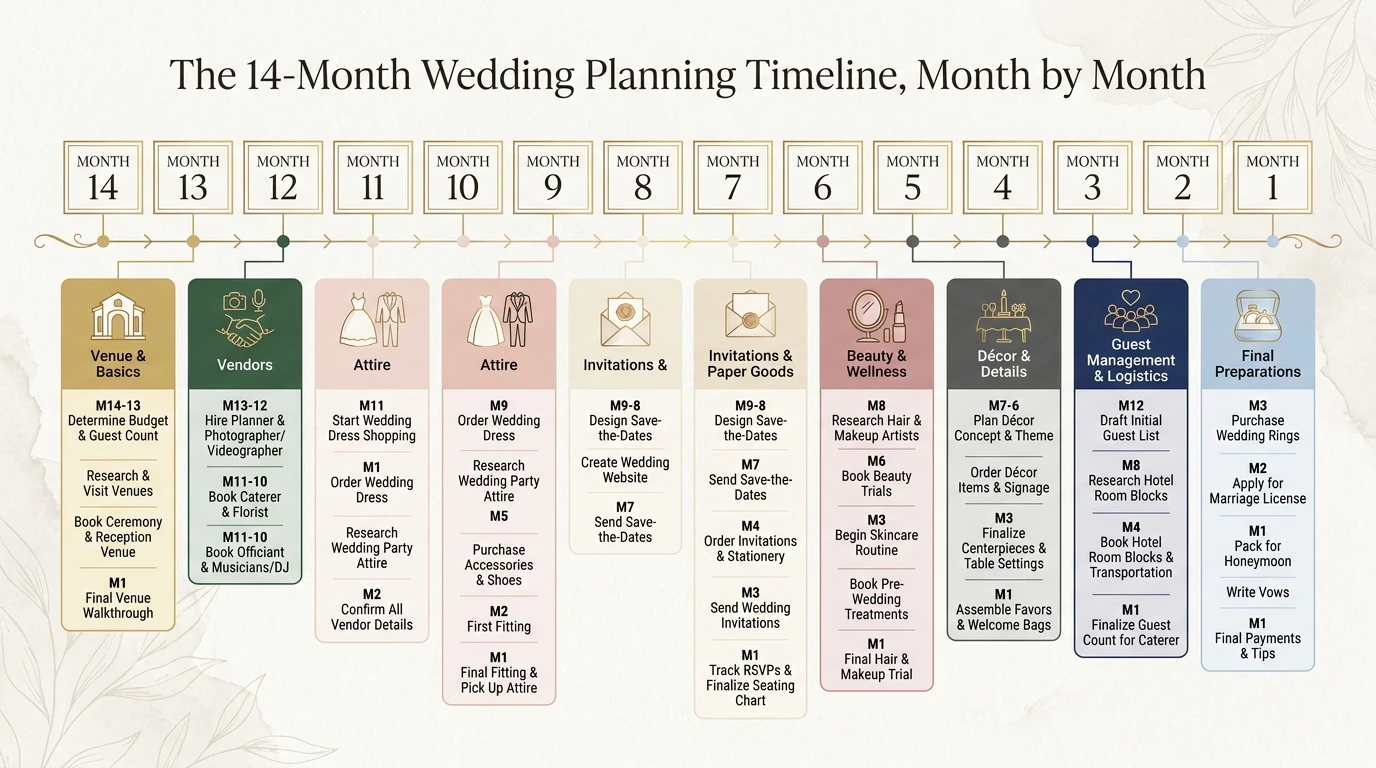
This wedding planning checklists guide breaks your wedding into four clear phases, from month 18 to the final week. You get a free, printable wedding planning checklist for every stage, plus a wedding budget checklist, vendor booking checklist, guest list and RSVP plan, and a day-of wedding timeline. There’s also a bridal beauty section covering attire fittings, hair trials, and Pakistani wedding hairstyles for every function. Use it with our free wedding planning dashboard and budget calculator, or print the checklist, to keep deposits, deadlines, and decisions in one place and plan a stress-free wedding without missing a single date.
What Is a Wedding Planning Checklist?
A wedding planning checklist is a dated list of every task, decision, and payment between your engagement and your wedding day. It shows what to do now, what can wait, and what causes trouble if you forget it.
Most wedding stress doesn’t come from the big decisions. It comes from the small ones that slip: a deposit due on Friday, a fitting nobody booked, a headcount the caterer needed last week. A good checklist catches those before they cost you money.
A checklist is different from a timeline. A wedding planning timeline shows when each stage happens, while a checklist tells you exactly what to finish inside it. You’ll want both, and this wedding planning checklists guide connects them.
How to Use This Wedding Planning Checklists Guide
- Match your date. Find the checklist that fits the time you have left in the table further down.
- Set the numbers. Fix your budget and a guest count range before you book anything big.
- Track it in one place. Put tasks and deadlines in the planning dashboard or your own spreadsheet, and check it weekly.
The dates below are guidelines. Venue availability, wedding season, and cultural events can move them, so treat the month ranges as a starting frame and adjust.
The Four Phases of Wedding Planning
This wedding planning checklists guide splits the work into four phases: Foundation (months 18–12), Booking Core Vendors (months 12–8), Details and Design (months 8–3), and Finalization (months 2–0). Each phase has a small set of jobs, so you’re never deciding everything at once.
Short on time? Compress the phases instead of skipping them. The 6-month and 3-month checklists in the table below do that for you.
Phase 1: Foundation (Months 18–12)
This phase sets the frame everything else hangs on: money, guest count, date, and venue.
- Agree on a total budget and who’s contributing.
- Draft a rough guest count. A range is fine, since it drives venue size and catering cost.
- Pick a date range and a style direction. A wedding moodboard makes this easier.
- Tour venues, shortlist two or three, and book once your date is confirmed.
- Book your lead photographer.
- Open your master spreadsheet or planning dashboard.
Photographers with strong reviews tend to fill their calendars early, which is why this booking sits in Phase 1. For the full task list, use the 18-month wedding planning checklist.
Phase 2: Booking Core Vendors (Months 12–8)
Now come the big contracts. Get the largest bookings done while you still have choices.
- Select and book your caterer, unless your venue includes one.
- Order custom attire. Hand-embroidered bridal wear can take many months to make.
- Contract your florist and decorator.
- Secure entertainment: a DJ, band, or emcee.
- Book your hair stylist and makeup artist, and hire a coordinator if you want one.
Read every contract for what’s included, overtime rates, cancellation terms, and the payment schedule. Our vendor booking section below covers what to ask before you sign. The 12-month wedding planning checklist covers this phase in more detail.
Phase 3: Details and Design (Months 8–3)
This is where the wedding starts to look like yours, so expect a lot of small choices.
- Send save-the-dates, then design and order your formal invitations.
- Approve centerpiece mockups and finalize your ceremony programs.
- Schedule hair and makeup trial runs.
- Book your first outfit fitting for about three months out.
- Hold a menu tasting and confirm the main details with your caterer.
- Check the legal paperwork your location requires, and how far ahead it must be filed.
Formal invitations usually go out about 6 to 8 weeks before the wedding, and earlier for destination weddings or when guests must travel. Reception and decor details get their own section further down.
Phase 4: Finalization (Months 2–0)
The last two months are about confirming, not deciding.
- Build your seating chart.
- Confirm the final headcount with your caterer.
- Pay remaining balances and prepare cash tip envelopes.
- Attend your final fitting and pick up your outfits.
- Send your master timeline and vendor emergency numbers to your coordinator and bridal party.
- Pack your day-of emergency kit.
The day-of schedule and timeline checklist picks up where this phase ends.
Which Wedding Planning Checklist Should You Use?
Choose by time left, budget, or wedding style. If you’re unsure, start with the 12-month checklist, since it suits most engagements.
| Your situation | Best checklist |
|---|---|
| 18 months or more to plan | 18-Month Wedding Planning Checklist |
| About a year to plan | 12-Month Wedding Planning Checklist |
| Around six months left | 6-Month Accelerated Checklist |
| Under three months left | 3-Month Express Checklist |
| Building around a set budget | $10,000, $20,000, $30,000, or $50,000+ budget checklist |
| Multi-day Pakistani or Muslim wedding | Pakistani and Muslim Multi-Day Checklist |
| Indian wedding | Indian Wedding Master Checklist |
| Marrying away from home | Destination Wedding Checklist |
| Home or private estate | Backyard and Private Estate Checklist |
| Small guest list | Intimate and Small Wedding Checklist |
Prefer paper? Grab the printable wedding planning checklist PDF, or let the wedding checklist generator build a list around your own date.
Wedding Budget Checklist: Set the Numbers First
Your budget decides almost everything else, so settle it before you book. Work through these steps in order:
- Decide the total and who’s contributing.
- Name your top three priorities, such as venue, food, or photography.
- Split the total across categories with the wedding budget calculator.
- Hold back 10% as a contingency buffer. On a $20,000 budget, that’s $2,000 set aside before you allocate the rest.
- Log the real cost every time you sign a contract, and compare it to your estimate.
Keep the buffer as its own line. If you spread it across categories, it disappears the first time something costs more than planned.
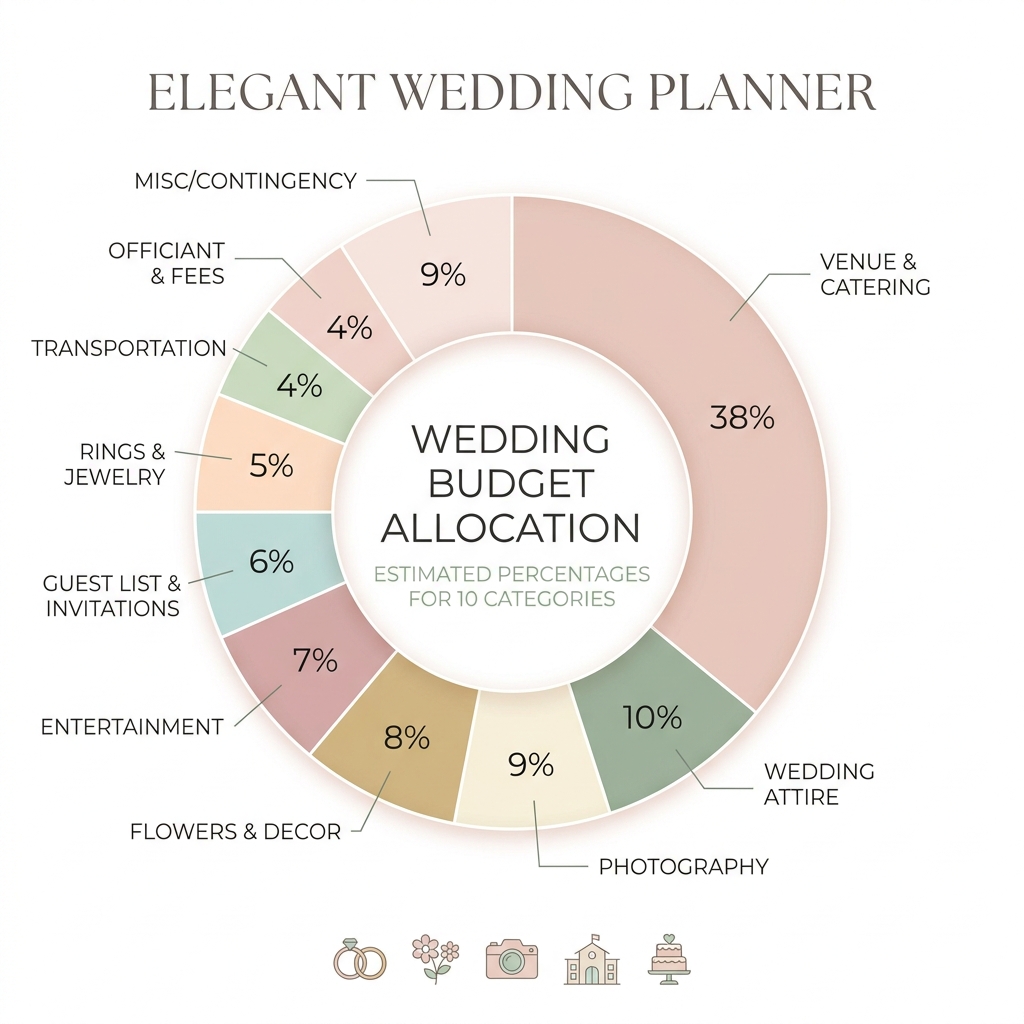
Hosting several functions? Budget each event separately, then add them up. To see how a budget splits at different levels, open the closest tier from the checklist table above, and for ways to trim costs, read our 10 budget-saving wedding tips.
Vendor Booking Checklist: Deposits, Contracts, and Deadlines
The cure for missed payments is one master spreadsheet. Record these columns for every vendor:
| Column | What to record |
|---|---|
| Vendor and service | Business name, contact person, phone, and email |
| Contract | Date signed, what’s included, and cancellation terms |
| Deposit | Amount, due date, and date paid |
| Balance | Amount and due date |
| Deadlines | Final headcount, menu, and timeline due dates |
| Wedding-day details | Arrival time, setup needs, and an emergency phone number |
Add a calendar reminder two weeks before every payment date. That gives you time to move money or ask questions.

Before you sign, ask each vendor what happens if they can’t make it on the day. The answer tells you a lot about how they run their business. The vendor booking order and contract checklist has the full list of questions to cover.
Venue Checklist: Questions to Ask Before You Sign
A venue fixes your date, your capacity, and often your vendor list. Ask these before you commit:
- What’s the maximum capacity, and what’s the comfortable one?
- What’s included: tables, chairs, linens, sound, lighting?
- Are there catering or vendor restrictions?
- What’s the rain or heat backup plan for outdoor space?
- What are the noise limits, end time, and overtime costs?
- How are parking, guest access, and accessibility?
- What time can vendors arrive to set up?
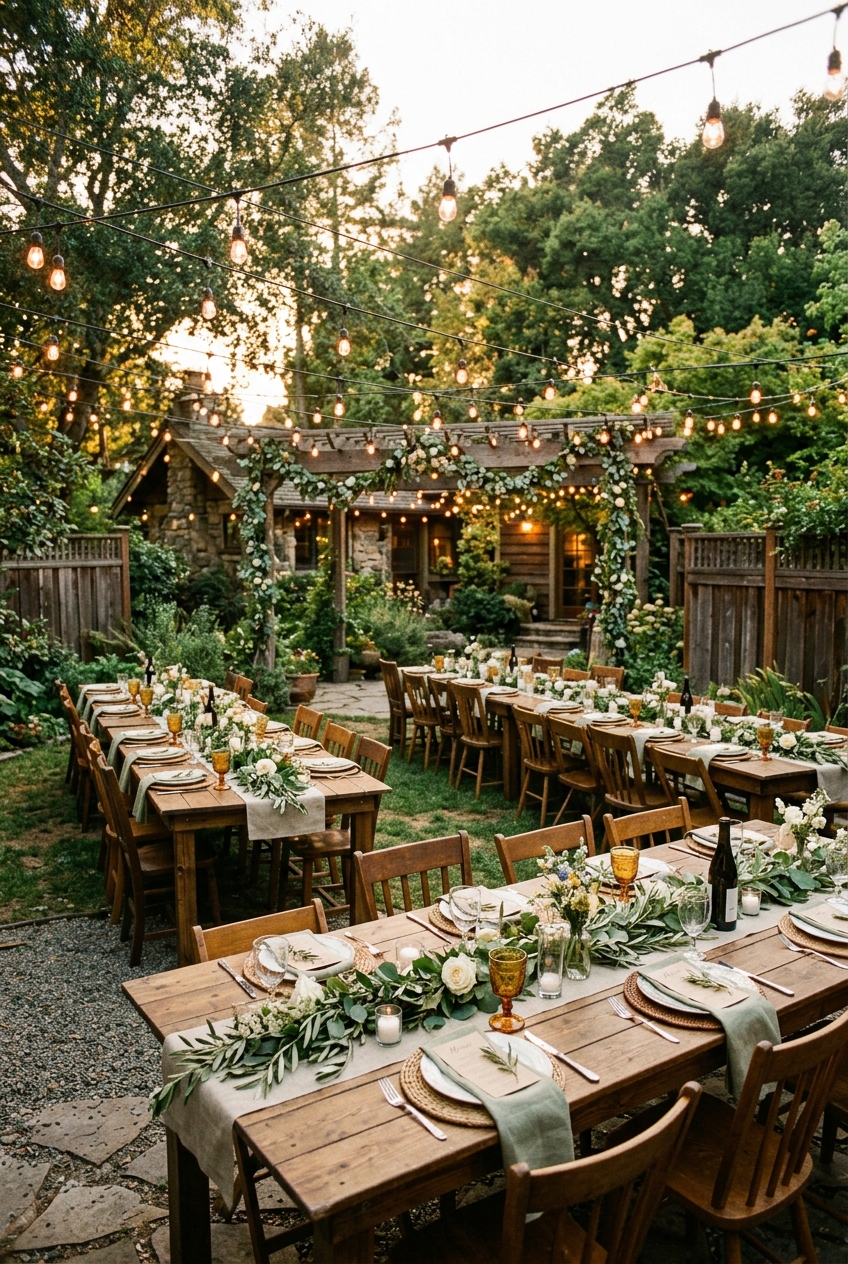
For a deeper walkthrough, read how to choose the perfect wedding venue. Marrying somewhere unconventional? Try the destination wedding checklist or the backyard and private estate checklist.
Photography, Catering, and Entertainment Checklist
These three vendors shape how the day feels and how it runs, so brief them clearly and put the details in writing.
- Photographer: agree on a must-have shot list, hours of coverage, and when you’ll receive your photos.
- Caterer: book a tasting, share dietary needs early, and note the date the final headcount is due.
- Entertainment: write a must-play and do-not-play list, confirm the sound check time, and ask about overtime rates.
Photography and catering are also common places to overspend, so check both against your budget before you sign.
Guest List and RSVP Checklist
Family politics is a common reason guest lists stall. Agree on the rules before anyone writes a name.
- Set a total guest count range and a fair quota for each side of the family.
- Build an A list (must invite) and a B list (invite if space opens up).
- Collect mailing addresses early.
- Send save-the-dates 8 to 12 months out, or 12 months out for destination weddings.
- Set an RSVP deadline that gives your caterer enough time.
- Follow up with late replies personally.
- Give your caterer the final headcount, then build the seating chart.

Track it all in the guest list manager. The guest list and RSVP master checklist and our guide to wedding guest lists and seating charts go deeper.
Attire and Fitting Checklist
Plan for three fittings: initial adjustments about three months out, fine-tuning about a month out, and a final pickup trial two weeks before the wedding. Book all three when you order your outfit, so you’re not chasing appointments later.
- Order the outfit, or start the custom order, in Phase 2.
- Bring your shoes and jewelry to every fitting.
- Ask the designer how to store and steam the outfit before the wedding.
- Keep the final pickup two weeks out, not the night before.

Need ideas? Start with wedding outfits for brides or Pakistani wedding outfits for brides.
Pakistani Wedding Hairstyles: Add Hair Planning to Your Checklist
Pakistani weddings usually run across several functions, so a bride often needs more than one hairstyle. Pakistani wedding hairstyles work best when you plan them around the outfit, not as a last-minute decision, so add them to your checklist early.
When to Plan Pakistani Wedding Hairstyles
- Phase 2 (months 12–8): Choose your outfits, then book your hair stylist and makeup artist for every function date.
- Phase 3 (months 8–3): Schedule your trial runs, ideally with the actual jewelry and dupatta.
- Phase 4 (months 2–0): Confirm arrival times and how long each look takes, then add them to your day-of timeline.
Function-by-Function Hairstyle Planning
| Function | What to plan |
|---|---|
| Mehndi | A comfortable style you can sit, dance, and eat in. Flowers or lighter accessories often suit the colorful look. |
| Nikkah | A modest, secure style that works with a dupatta over the head, if you’re wearing one. |
| Baraat | A structured style that holds through a long day alongside your heaviest outfit and jewelry. |
| Walima | A polished reception style, often softer or lighter than the baraat look. |
How to Choose a Style That Suits You
- Outfit weight: Heavier embroidery and layered jewelry usually call for a secure, structured style. Lighter outfits leave room for loose waves.
- Face shape: Show your stylist photos you like and ask what suits your face shape, since volume and partings change how a face looks.
- Hair length: Shorter or fine hair may need extensions or added volume to hold a bun or braid, so raise this at the first trial.
- Dupatta or veil: Decide how it will be pinned before you settle on the style.
Hair and Makeup Trial Checklist
- Bring photos of each outfit, plus the jewelry, dupatta, or veil you’ll wear.
- Choose accessories such as a tikka, jhoomar, or matha patti before the trial, because they change how a style sits.
- Ask how long each look takes, and how long it should last.
- Photograph the trial in daylight and indoors, and note the products and pins used.
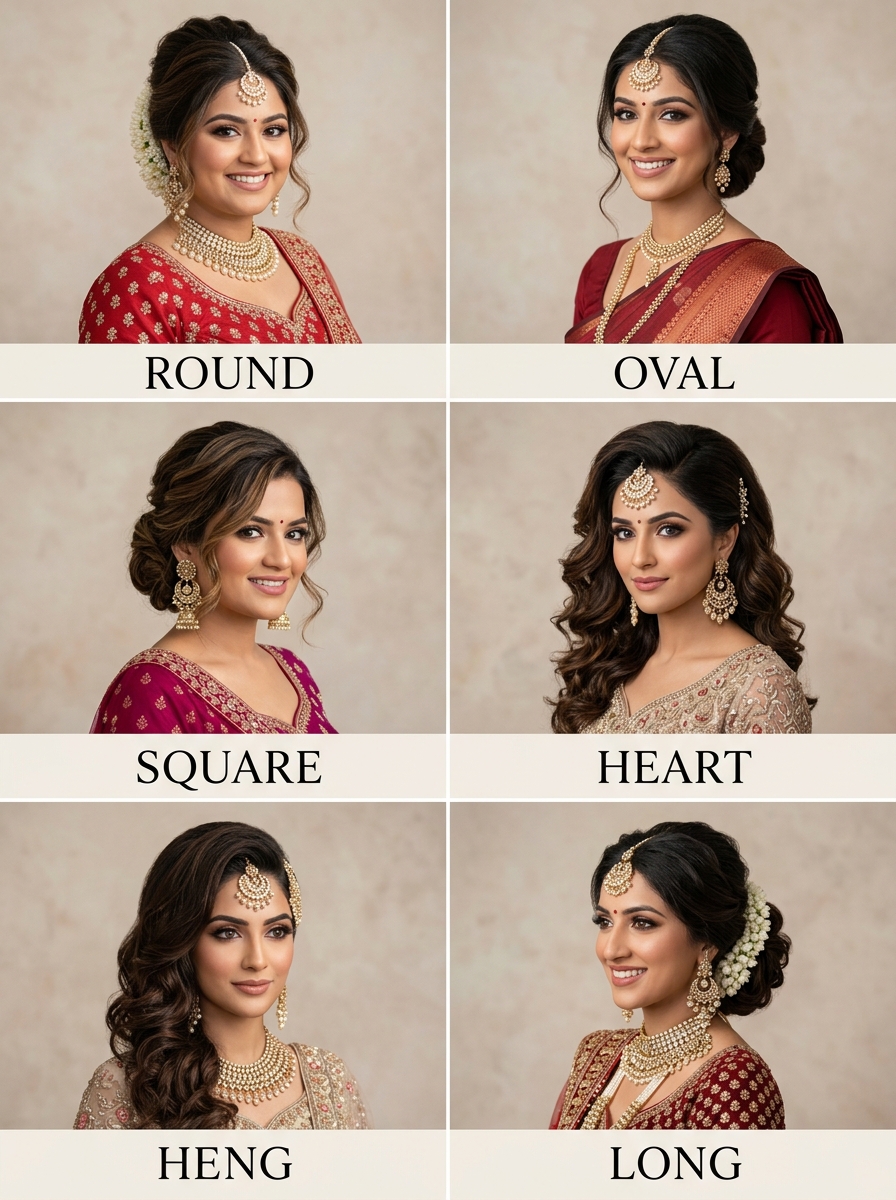
For looks organized by function, read our guide to Pakistani wedding hairstyles. Planning another tradition? See the Indian wedding hairstyles guide, regional Indian wedding hairstyles, or the best hairstyles for a wedding across styles.
Cultural and Multi-Day Wedding Checklists
A multi-day wedding needs the same four phases, but every function adds its own venue, outfit, vendors, and timing. Build one master checklist, then add a short mini-list for each event.
- Give each function its own budget line and guest count.
- Plan a separate outfit, hair, and makeup look for every event.
- Check vendor availability across all the dates, not just the main day.
- Map out travel and stays for family who’ll be there for the whole run.
Start with the Pakistani and Muslim multi-day wedding checklist or the Indian wedding master checklist. Use either one alongside the four phases above.
Reception, Decor, and Design Details
Design is where budgets quietly leak, so decide your priorities first. Pick the two or three things guests will notice most, and simplify the rest.
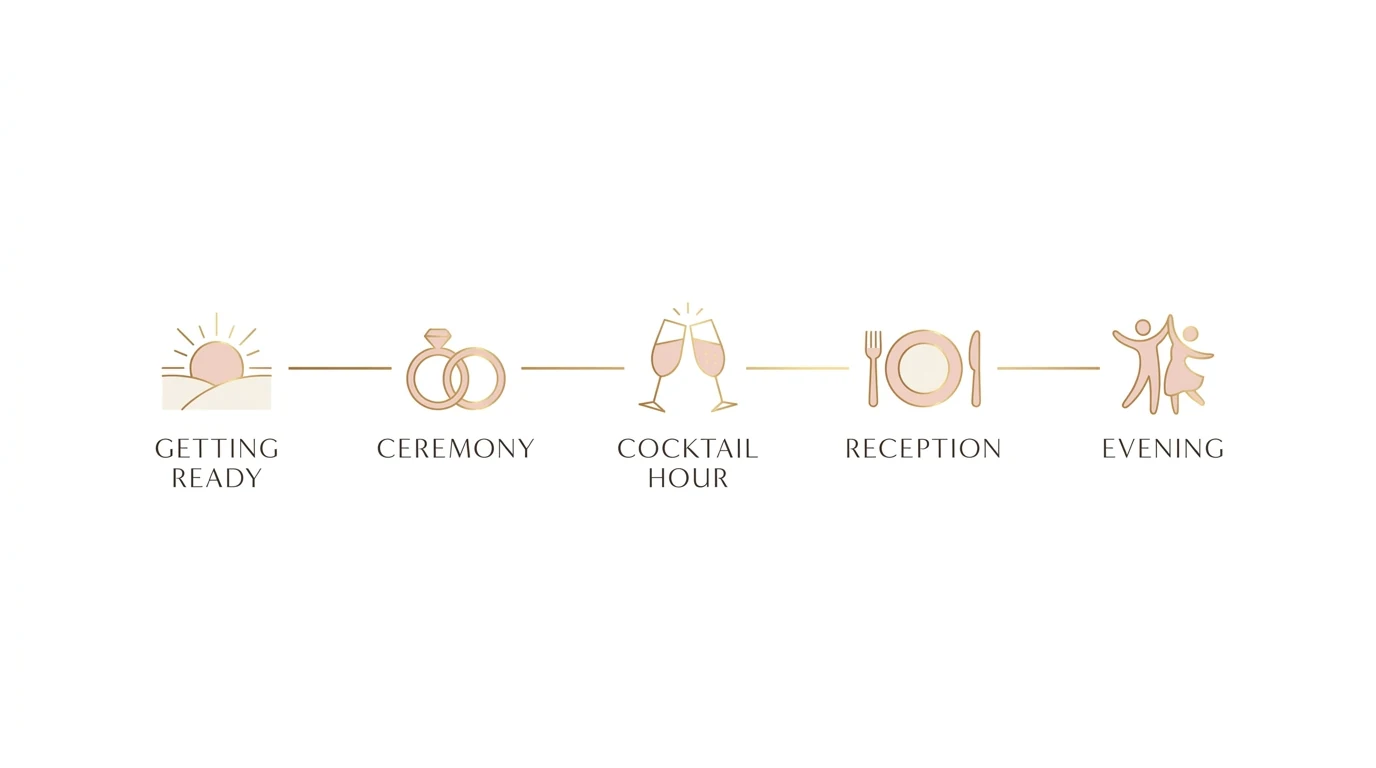
- Sketch the reception flow: entrance, speeches, meal service, and send-off.
- Approve florals, centerpieces, and lighting against your budget before you order.
- Ask your venue how early the decor team can get in to set up.
Work through the reception planning checklist for flow and timing, and the decor and floral checklist for centerpieces, flowers, and setup.
Wedding Week and Day-Of Checklist
Wedding week is about handing the plan to other people so you can stop carrying it.
- Confirm arrival times with every vendor.
- Send the master day-of timeline and vendor emergency phone numbers to your coordinator and bridal party.
- Pay final balances and label your cash tip envelopes.
- Pack the emergency kit: stain remover pens, a sewing kit, safety pins, pain relievers, hairspray, breath mints, tissues, and phone chargers.
- Lay out outfits, jewelry, and important documents the night before.

Build a minute-by-minute schedule with the day-of timeline generator. The bridal emergency kit checklist covers the complete packing list.
Free Tools That Run Your Checklist
| Tool | Use it to |
|---|---|
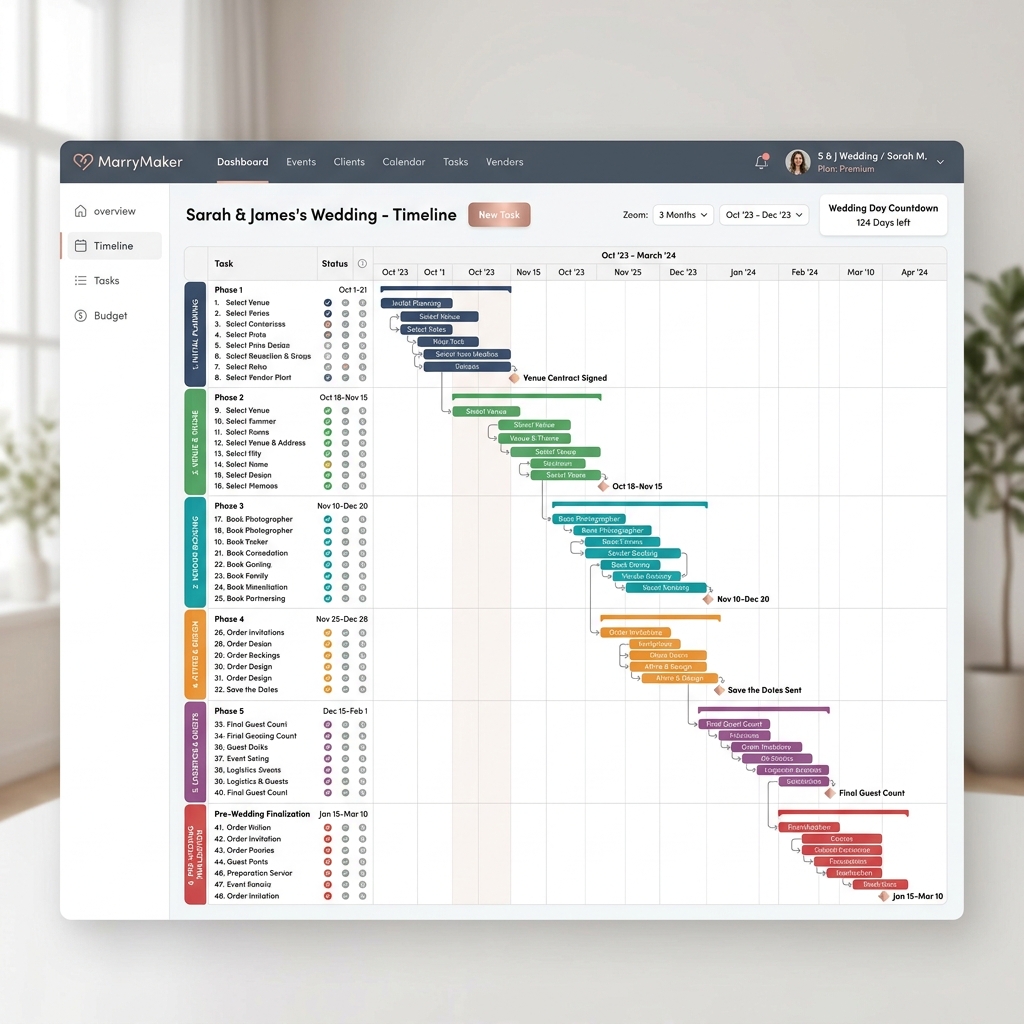
| Wedding Planning Dashboard | See tasks, deadlines, and progress in one place |
| Wedding Checklist Generator | Build a checklist around your wedding date |
| Budget Calculator | Estimate and split your wedding costs |
| Guest List Manager | Track invitations and RSVPs |
| Wedding Planning Timeline | Map planning stages to your date |
| Milestone Tracker and Planning Calendar | Keep big milestones and deadlines visible |
| Day-of Timeline Generator | Plan the wedding-day schedule |
| Wedding Countdown and Progress Tracker | Stay motivated and see how far you’ve come |
| Task Generator, Daily, Weekly, and Monthly planners | Break big jobs into manageable tasks |
Five Common Checklist Mistakes and How to Avoid Them
- Booking vendors before setting a budget. Fix the total first, then book.
- Skipping the buffer. Costs rise, and a 10% hold lets you absorb them calmly.
- Leaving the guest count vague. It drives your venue, food, and seating, so narrow it early.
- Planning one look for a multi-day wedding. Each function needs its own outfit, hair, and makeup plan.
- Keeping the plan in one head. Share the checklist with your partner, family, and coordinator.
For more ways to stay on track, read 20 essential tips for your wedding planning checklist.
Your Next Step
Start with three moves today: pick the checklist that fits your date, set your budget with the budget calculator, and open the wedding planning dashboard to count down to your wedding date. Everything else in this wedding planning checklists guide slots in behind those.
Planning a multi-day wedding? Book your outfits, hair, and makeup early, and keep your function-by-function list next to your main checklist.